
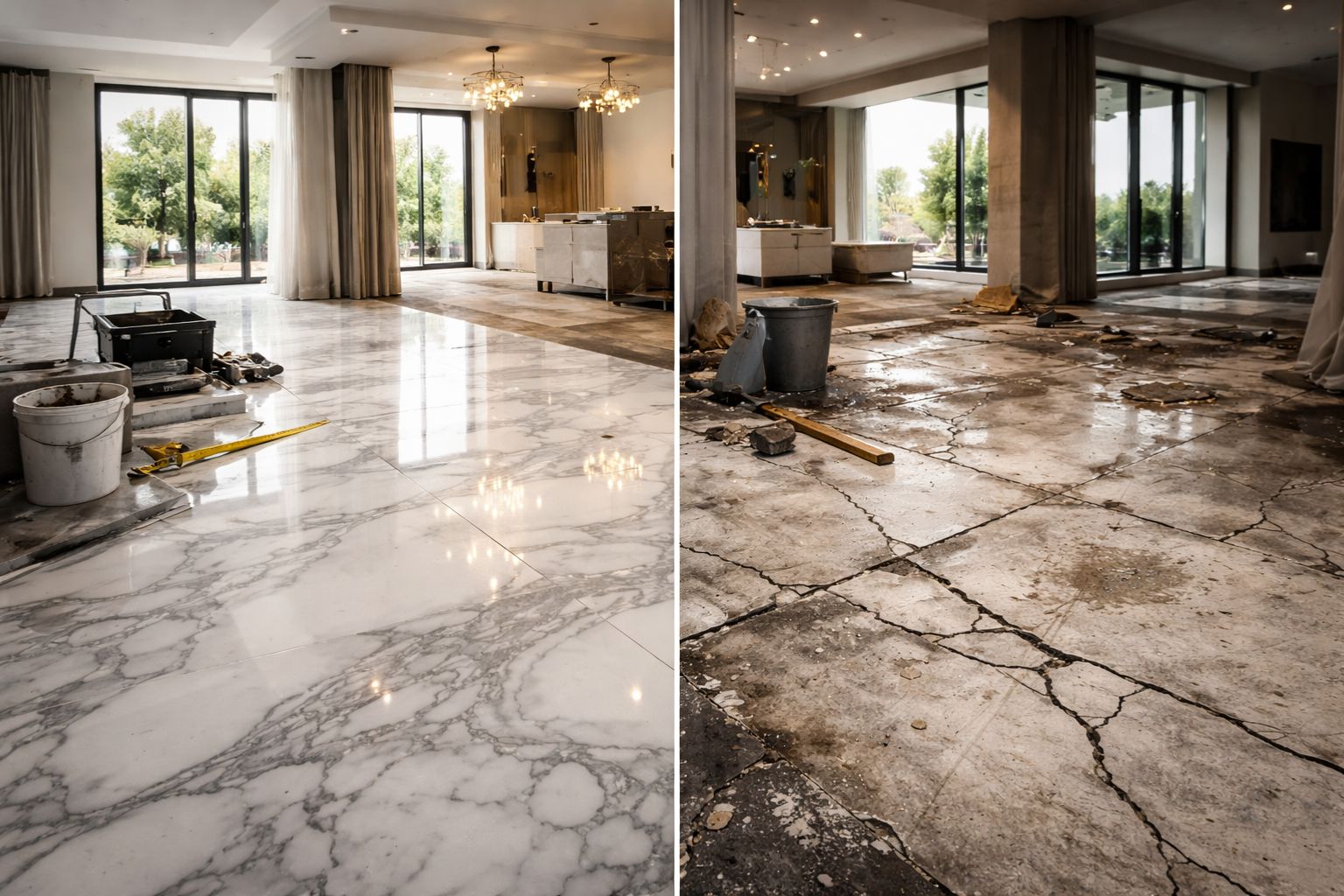
A Complete Guide by Stone Expert Ankit Singhal
Choosing the right stone for your home or commercial project is one of the most important decisions in construction and interior design. Whether it’s marble, granite, or any natural stone, a small mistake during selection can lead to massive replacement costs later.
In this detailed guide, stone expert Ankit Singhal reveals the most common stone buying errors that homeowners, builders, and architects make—and how you can avoid them. This blog is designed to be 100% user-friendly, practical, and based on real industry experience.
Why Stone Selection Matters So Much
Natural stone is not just a material—it’s a long-term investment. Once installed, replacing it is expensive, time-consuming, and often damages the entire design.
A wrong decision can lead to:
- Cracks and breakage
- Stains and discoloration
- Poor finish and dull look
- High maintenance cost
- Full replacement within a few years
That’s why understanding the mistakes before buying is crucial.
Top Stone Buying Errors That Lead to Huge Replacement Costs
1. Choosing Stone Only Based on Looks
One of the biggest mistakes is selecting stone just because it looks beautiful in the showroom.
Why this is risky:
- Some stones are soft and not suitable for flooring
- Light-colored stones may stain easily
- Highly porous stones absorb water and chemicals
Expert Tip:
Always check:
- Hardness
- Water absorption rate
- Application suitability
2. Ignoring Stone Quality Grades
Not all stones are of the same quality. Even within the same type, there are multiple grades.
Common issues with low-grade stone:
- Uneven thickness
- Weak structure
- Color inconsistency
- Higher chances of cracks
What to do:
Ask your supplier clearly:
- Is it premium grade?
- Is it resin-filled or natural?
- Is it factory polished or local polished?
3. Not Checking Slab Thickness
Thickness plays a major role in durability.
Mistake:
Buying thinner slabs to save money.
Result:
- Breakage during installation
- Cracks over time
- Reduced lifespan
Ideal thickness:
- Flooring: 16–20 mm
- Kitchen: 18–20 mm
4. Skipping Water Absorption Test
Water absorption is one of the most ignored factors.
Why it matters:
High absorption leads to:
- Stains
- Moisture damage
- Fungus growth
Simple test:
Pour a few drops of water on the stone:
- If it absorbs quickly → Not ideal for high-use areas
5. Not Considering Usage Area
Different areas need different stones.
Common mistake:
Using the same stone everywhere.
Better approach:
- Kitchen: Hard, non-porous stone
- Bathroom: Anti-slip finish
- Living room: Premium polished marble
- Outdoor: Weather-resistant granite
6. Ignoring Surface Finish
Finish affects both look and safety.
Types of finishes:
- Polished – glossy, luxurious
- Honed – matte, subtle
- Leather – textured
- Flamed – rough, anti-slip
Mistake:
Using polished stone in bathrooms → leads to slipping hazards
7. Not Buying from a Trusted Supplier
Cheap deals often come with hidden risks.
Problems with unreliable suppliers:
- Fake or treated stones
- Wrong information
- No after-sales support
Solution:
Always choose an experienced and reputed supplier.
8. No Proper Inspection Before Purchase
Many buyers finalize stones from photos or small samples.
Risk:
- Actual slabs may differ
- Color variation issues
- Vein mismatch
Expert Advice:
Always inspect full slabs before finalizing.
9. Ignoring Installation Quality
Even the best stone can fail if installed poorly.
Common installation mistakes:
- Improper leveling
- Poor adhesive quality
- No proper curing
Result:
- Hollow sound
- Cracks
- Loose tiles
10. Not Planning Long-Term Maintenance
Some stones require regular sealing and care.
Mistake:
Choosing high-maintenance stone without awareness.
Result:
- Dull surface
- Permanent stains
- Frequent polishing cost
Real Cost of These Mistakes
Let’s understand the financial impact:
| Mistake | Result | Cost Impact |
|---|---|---|
| Wrong stone type | Damage in 1–2 years | Full replacement |
| Low quality stone | Cracks & breakage | Repair + labor |
| Poor installation | Uneven flooring | Rework cost |
| High absorption stone | Stains | Polishing & sealing |
👉 Replacement cost can go 2X to 3X of original investment
Expert Tips to Avoid Replacement Costs
- Always buy from a trusted supplier
- Inspect slabs physically
- Check thickness and finish
- Match stone with usage area
- Ask for expert guidance
- Never compromise on quality for price
About the Expert – Ankit Singhal
Ankit Singhal is a renowned stone industry expert with years of experience in marble and granite selection. His practical knowledge helps buyers avoid costly mistakes and choose the perfect stone for long-term value.
Recommended Reading
If you want to go deeper into the marble and stone industry, don’t miss the book:
“THE SECRETS OF MARBLE INDUSTRY”
This book reveals:
- Insider tips
- Industry truths
- Smart buying strategies
- Cost-saving techniques
⭐ 5 Star Customer Reviews
⭐⭐⭐⭐⭐
“Ankit Singhal’s guidance saved me from choosing the wrong marble. My home looks premium and maintenance is zero hassle.” — Rajesh Mehta
⭐⭐⭐⭐⭐
“I almost bought a cheaper stone, but after reading this guide, I invested wisely. Totally worth it!” — Priya Sharma
⭐⭐⭐⭐⭐
“Best decision ever! No cracks, no stains even after 2 years. Highly recommended expert advice.” — Aman Gupta
⭐⭐⭐⭐⭐
“The knowledge shared here is gold. Every buyer must read before purchasing stone.” — Neha Verma
⭐⭐⭐⭐⭐
“Professional, practical, and honest advice. Helped me avoid huge replacement costs.” — Sandeep Jain
Frequently Asked Questions (FAQs)
1. Which stone is best for long-term durability?
Granite and high-quality marble are both excellent, depending on usage area.
2. How can I check stone quality?
Check thickness, finish, absorption rate, and always inspect slabs physically.
3. Is cheaper stone a good option?
Not always. It often leads to higher replacement and maintenance costs.
4. How often should marble be polished?
Usually every 2–3 years, depending on usage.
5. Can wrong stone really lead to full replacement?
Yes. Poor quality or wrong selection can require complete replacement within a few years
Final Thoughts
Buying stone is not just about beauty—it’s about durability, performance, and long-term value. A small mistake today can cost you lakhs tomorrow.
With the right knowledge and expert guidance from Ankit Singhal, you can avoid these costly errors and make a smart investment.
Contact Us
📞 Phone: +91 92521 01111
📧 Email: ceo@shreeramexpo.in
If you’re planning to buy marble or granite, take your time, do proper research, and always consult an expert. The right decision today will save you from major losses tomorrow.